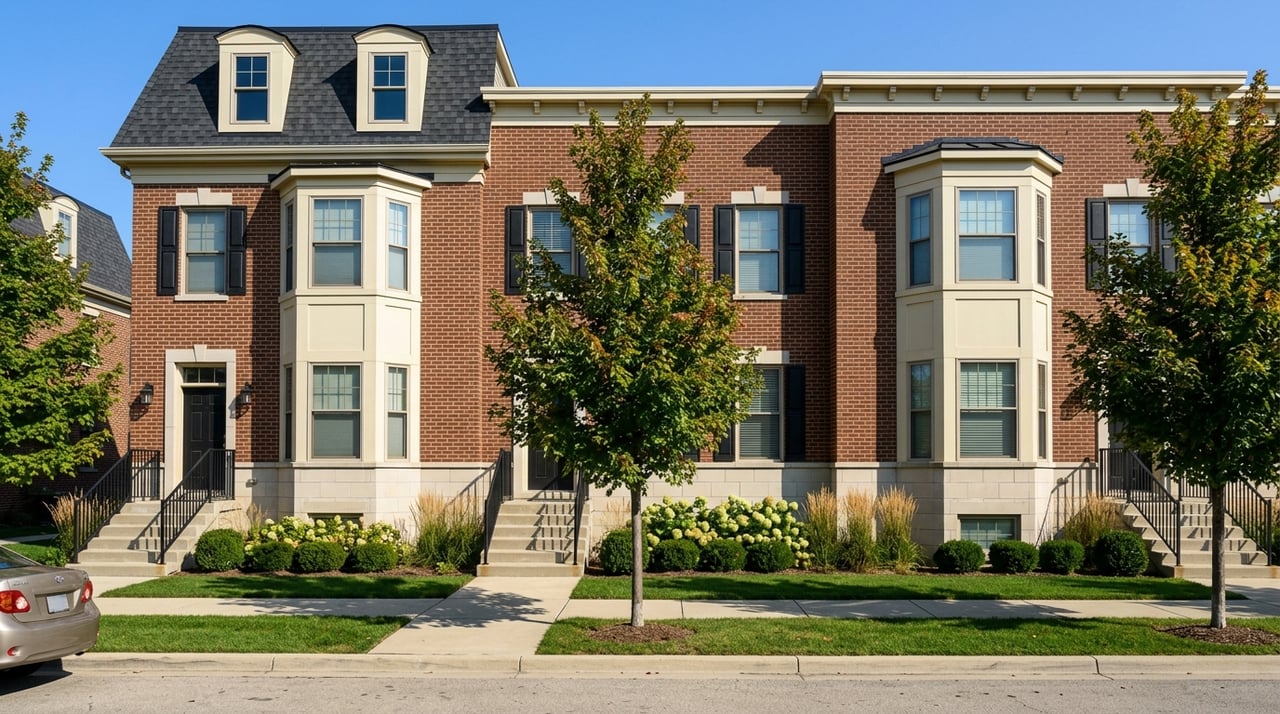
If you want more space without giving up access, Chicago’s South Suburbs deserve a closer look. This broad regional market gives you a mix of downtown-style main streets, commuter options, large park systems, and housing choices that can look very different from one suburb to the next. Whether you are searching for a luxury home, planning a move-up purchase, or comparing suburban lifestyles, understanding the South Suburbs can help you make a smarter move. Let’s dive in.
Why the South Suburbs Stand Out
The South Suburbs are not one single town or one uniform market. Regional sources describe the area as a large group of south and southwest suburbs across Cook and Will counties, with definitions that range from dozens of communities to nearly 400 square miles of coverage.
That matters because your day-to-day experience can change a lot depending on where you land. Commute times, downtown character, housing styles, and price points can all shift from one suburb to the next, so it helps to think of the South Suburbs as several connected submarkets instead of one blanket destination.
Location and Access Matter Here
One of the biggest strengths of the South Suburbs is regional connectivity. The area is served by major interstates including I-55, I-57, I-80, I-94, I-294, and I-355, which makes it easier to move around the region by car and supports a range of commuting patterns.
For you, that can mean flexibility. Some buyers want quick station access and a more transit-oriented routine, while others are comfortable driving if it means getting a larger home, newer construction, or a different neighborhood layout.
South Suburbs Have Different Downtown Vibes
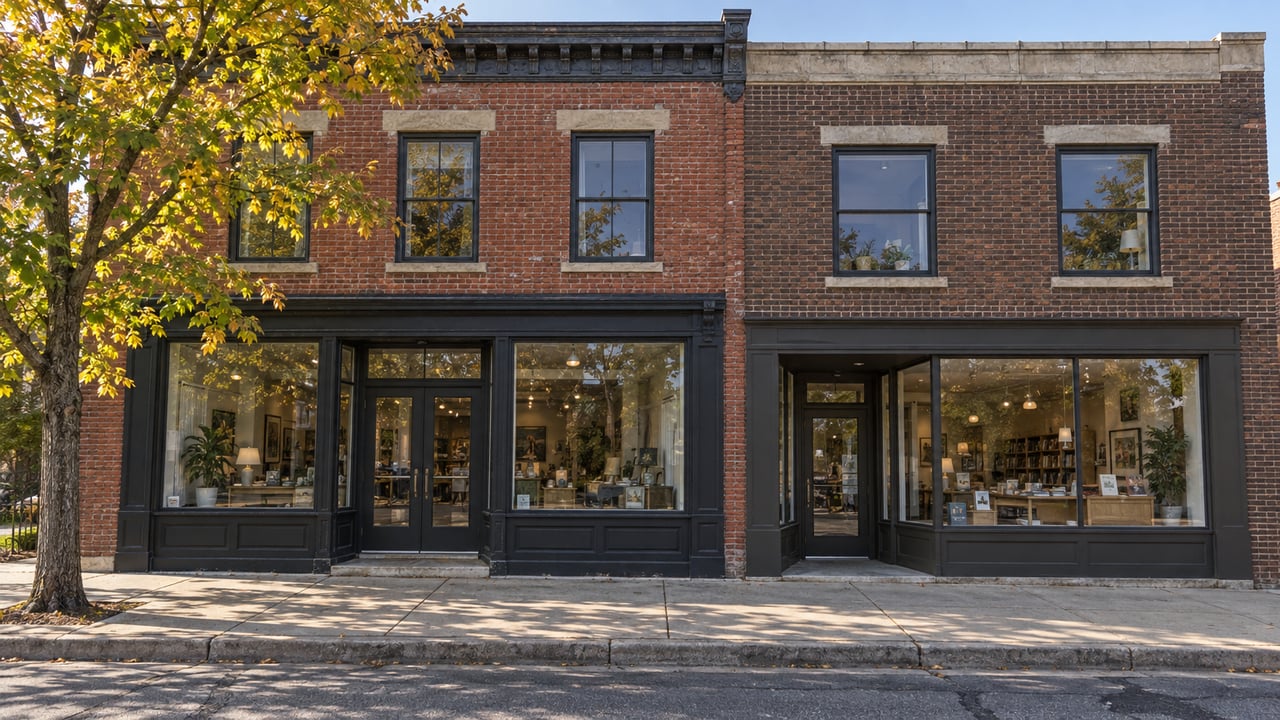
If you picture every suburb the same way, the South Suburbs may surprise you. Official village and tourism materials show a wide range of business districts, from compact rail-centered downtowns to larger mixed-use areas built around shopping, dining, and public space.
That variety can be a major plus when you are matching a home search to your lifestyle. Here are a few examples that help paint the picture.
Homewood Feels Station-Centered
Homewood highlights a commuter-friendly downtown within blocks of Metra and Amtrak. The village also points to boutiques, restaurants, cultural spaces, Martin Avenue Square, and more than 60 outdoor events each year.
If you want a suburban setting with an active downtown core, Homewood is one of the places worth watching. Its layout supports the kind of routine where local dining, events, and transit access are part of everyday life.
Flossmoor Blends Walkability and Character
Flossmoor’s downtown is centered around Sterling Avenue and Flossmoor Road. Village materials describe a walkable district near the Metra Electric station that includes small businesses, housing, the public library, and the historic Civic Center building.
The village also recently advanced streetscape improvements focused on pedestrian safety, traffic calming, and beautification. For buyers, that points to a community paying attention to how its downtown functions day to day.
Tinley Park Offers Historic Energy
Tinley Park emphasizes its historic downtown on Oak Park Avenue, along with antiques, restaurants, live music, and Harmony Square. Official materials also note that the village is about a 35-minute drive or train ride from downtown Chicago.
That combination can appeal if you want a suburb with a recognizable downtown destination and practical access into the city. It is a good reminder that suburban living does not have to mean a disconnected or quiet commercial core.
Orland Park Leans Into Redevelopment
Orland Park’s downtown plans center on the Main Street Triangle and 143rd Street area. The village describes a pedestrian-friendly vision with healthcare, arts, dining, retail, public space, and enhanced parking.
For you, that can signal long-term appeal if you like communities investing in mixed-use growth. It also shows how some South Suburbs are shaping newer downtown identities rather than relying only on historic main street patterns.
Outdoor Space Is a Real Lifestyle Benefit
The South Suburbs offer access to a much larger outdoor network than many buyers expect. Cook County reports more than 70,000 acres of forest preserves, more than 400 miles of marked trails, nature centers, lakes and ponds, and hundreds of picnic groves.
That scale changes what outdoor living can look like. Instead of relying on a small neighborhood park, you may have access to broad trail systems, natural areas, and weekend destinations that support hiking, biking, and more time outside.
Notable Green Spaces to Know
Several forest preserve destinations help show the range of options in the area:
- Swallow Cliff Woods is described by the Forest Preserves as one of Cook County’s more popular hiking spots.
- Sauk Trail Woods includes a 3.5-mile paved loop around Sauk Trail Lake within a 630-acre site.
- Sand Ridge Nature Center offers exhibits and programs connected to the natural and cultural history of the Calumet region.
- Tinley Creek and Thorn Creek trail systems expand biking and hiking access across the region.
If outdoor access is part of your home search, this is a major reason to explore the South Suburbs more carefully. In many cases, the park and trail network is not just an extra perk. It is part of the area’s identity.
Commuting Depends on the Exact Suburb
Commuting is one of the biggest reasons to compare South Suburbs side by side instead of treating the area as one market. Some communities have strong station access and a more rail-connected feel, while others are better suited to drivers or hybrid commuters.
That means the right fit depends on how you actually live. A buyer who wants to walk or drive a short distance to a station may focus on a different set of communities than someone who values lot size, newer housing, or a quieter residential setting.
Rail Access in Key Communities
Several communities in the South Suburbs stand out for commuter options:
- Homewood says Chicago is about 30 minutes away by Metra during rush hour, and its downtown is within blocks of the station.
- Flossmoor notes that its downtown Metra Electric station connects riders to Millennium Park.
- Tinley Park is served by the Rock Island Line and describes downtown Chicago access at about 35 minutes by drive or train.
- Orland Park lists commuter lots at its 143rd, 153rd, and 179th Street stations on the SouthWest Service.
- Blue Island, Midlothian, Oak Forest, Tinley Park, and Hickory Creek are listed on the Rock Island Line station guide.
For many buyers, this creates a practical tradeoff. Homes closer to stations may support an easier train commute, while homes farther out may offer different layouts, larger lots, or newer subdivisions.
Housing Options Cover a Wide Range
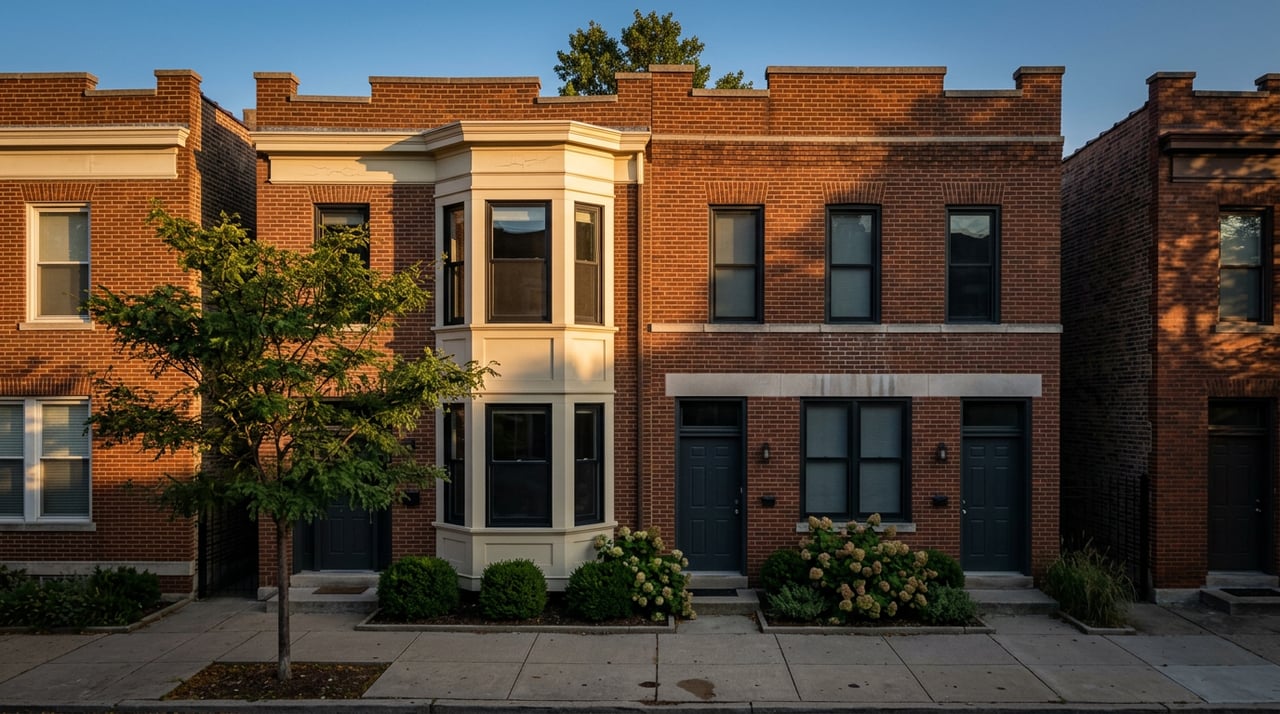
Housing in the South Suburbs is best understood as a ladder of choices. Regional development materials describe the area as a mix of bedroom communities with reasonably priced housing stock, while local policy work also points to growing interest in missing-middle housing such as duplexes, triplexes, and small multi-unit buildings.
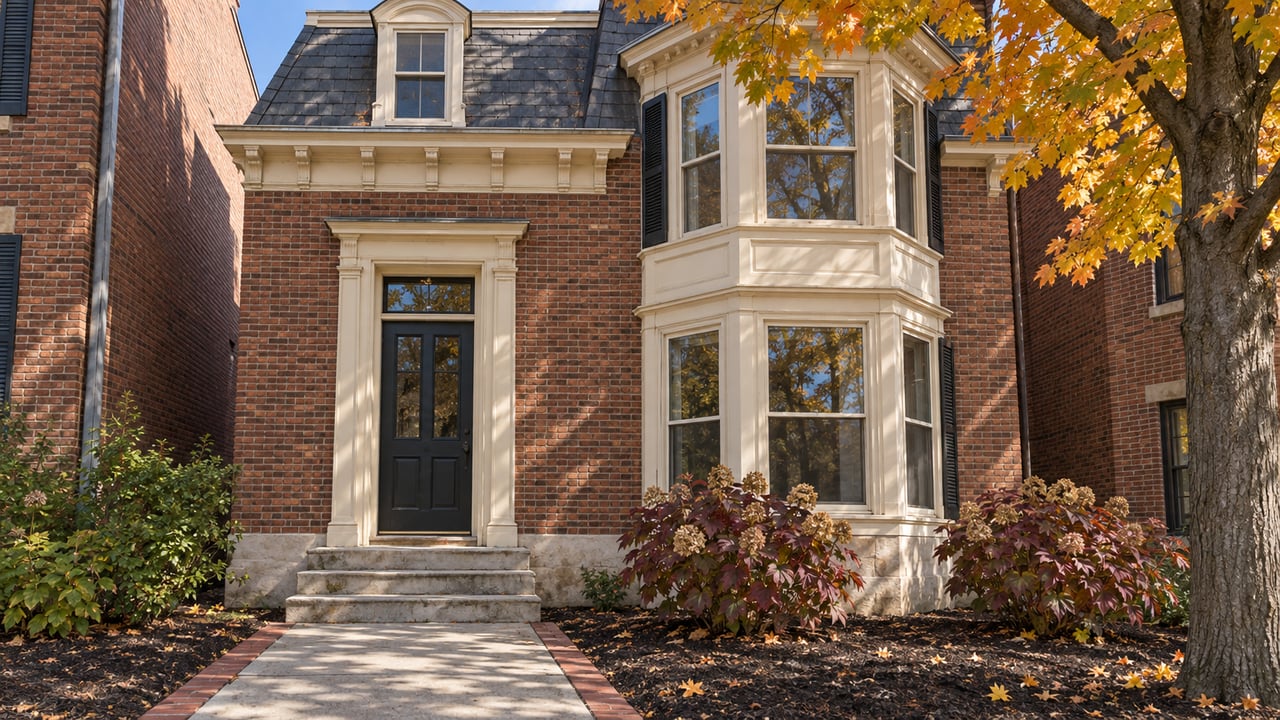
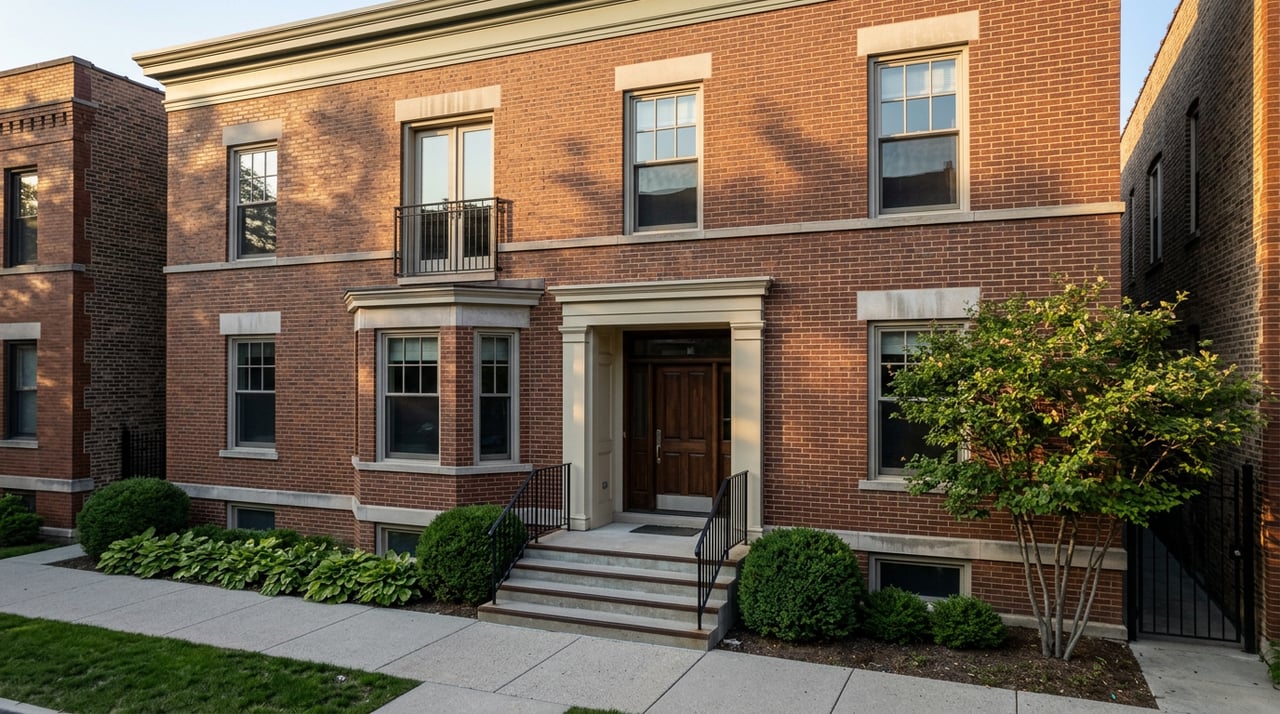
That variety can work in your favor. Whether you want an entry point with a condo or townhome, a classic older home with character, a move-up single-family property, or a selective luxury opportunity, the South Suburbs offer more range than many buyers first assume.
What Housing Styles Can Look Like
In places like Old Matteson, housing has been described as ranging from bungalows and farmhouses to modern split-level homes. Across the broader region, the market includes condos, townhomes, older single-family homes, and larger properties in higher-priced pockets.
This mix is part of what makes the South Suburbs useful for different buyer goals. First-time buyers, move-up households, and even buyers considering multi-family or rehab potential may all find options, but not always in the same communities.
Price Points Vary More Than You Might Think
Recent market snapshots show a meaningful spread across key South Suburban communities. In May 2026, median sale prices were reported at $247,202 in Homewood, $339,797 in Tinley Park, and $384,720 in Orland Park, while Flossmoor cites a median home price of $320,000.
For context, Illinois REALTORS reported a $382,000 median sales price for the City of Chicago in February 2026. That means some South Suburban markets remain below the city median, while others are now close to it or above it.
Luxury Pockets Do Exist
Luxury in the South Suburbs is usually not spread evenly across the whole region. Instead, it tends to show up in selective pockets tied to lot size, newer subdivisions, proximity to clubs, or areas with stronger pricing support.
Flossmoor is a strong example. Village materials note the influence of Idlewild Country Club, Flossmoor Country Club, and Olympia Fields Country Club, which helps explain why some nearby homes and sections of the market can command higher prices.
Market examples also show this range in action. Flossmoor sales in one snapshot ranged from a $178,000 condo to a $650,000 single-family home, and Tinley Park listings in the same period ranged from the low $200,000s into the high $600,000s.
How to Choose the Right South Suburb
The best way to approach this market is to start with your real priorities. Because the South Suburbs are so varied, the right home base often comes down to how you rank commute, housing style, outdoor access, downtown activity, and budget.
A few questions can help narrow your search:
- Do you want to be near a Metra station?
- Are you prioritizing larger lots or newer housing?
- Would you use a walkable downtown regularly?
- How important are trails, preserves, and outdoor recreation?
- Are you comparing value against Chicago pricing?
- Are you looking for a higher-end pocket with luxury potential?
Once you answer those questions, the region becomes easier to navigate. Instead of searching the South Suburbs as one giant map, you can focus on the communities that actually fit your routine and goals.
Why Local Guidance Helps
Because this is a regional market with very different submarkets, local guidance can save you time and help you avoid a mismatch. Two suburbs may look similar online but feel very different once you factor in station access, downtown layout, housing age, and daily convenience.
That is where a neighborhood-focused approach matters. When you compare communities with real local context, you can move beyond broad search filters and focus on the places that align with how you want to live now and in the future.
If you are exploring Chicago’s South Suburbs as your future home base, working with someone who understands market differences can make the search much more strategic. When you are ready to explore luxury homes, compare communities, or ask about available and off-market opportunities, connect with Brittney Wilkinson.
FAQs
What are Chicago’s South Suburbs?
- Chicago’s South Suburbs are a broad regional group of south and southwest suburbs across Cook and Will counties, not one single town or one uniform market.
Which South Suburbs have downtown areas near Metra?
- Homewood, Flossmoor, Tinley Park, and Orland Park all highlight commuter access, and Homewood and Flossmoor in particular describe downtown areas closely connected to their stations.
Are the South Suburbs good for outdoor recreation?
- Yes. The region benefits from Cook County’s large forest preserve system, which includes extensive trail networks, nature centers, lakes, and picnic areas.
Are South Suburbs home prices lower than Chicago?
- Some are. Recent figures show communities like Homewood and Flossmoor below the reported City of Chicago median, while places like Orland Park are closer to or above it.
Can you find luxury homes in Chicago’s South Suburbs?
- Yes. Luxury opportunities tend to appear in selective pockets rather than across the entire region, often near clubs, newer subdivisions, or areas with stronger pricing support.
How do you choose the right South Suburb for your lifestyle?
- Start by comparing commute preferences, housing style, downtown character, outdoor access, and budget so you can narrow your search to the communities that best match your routine and goals.