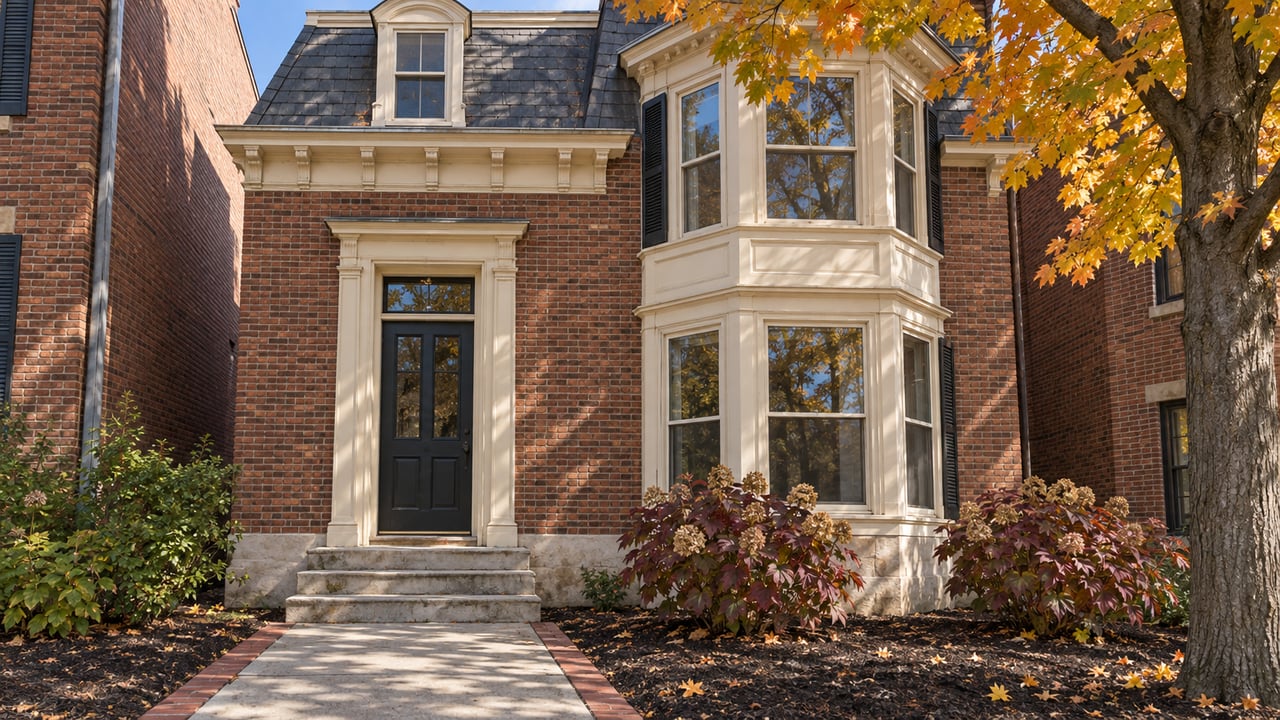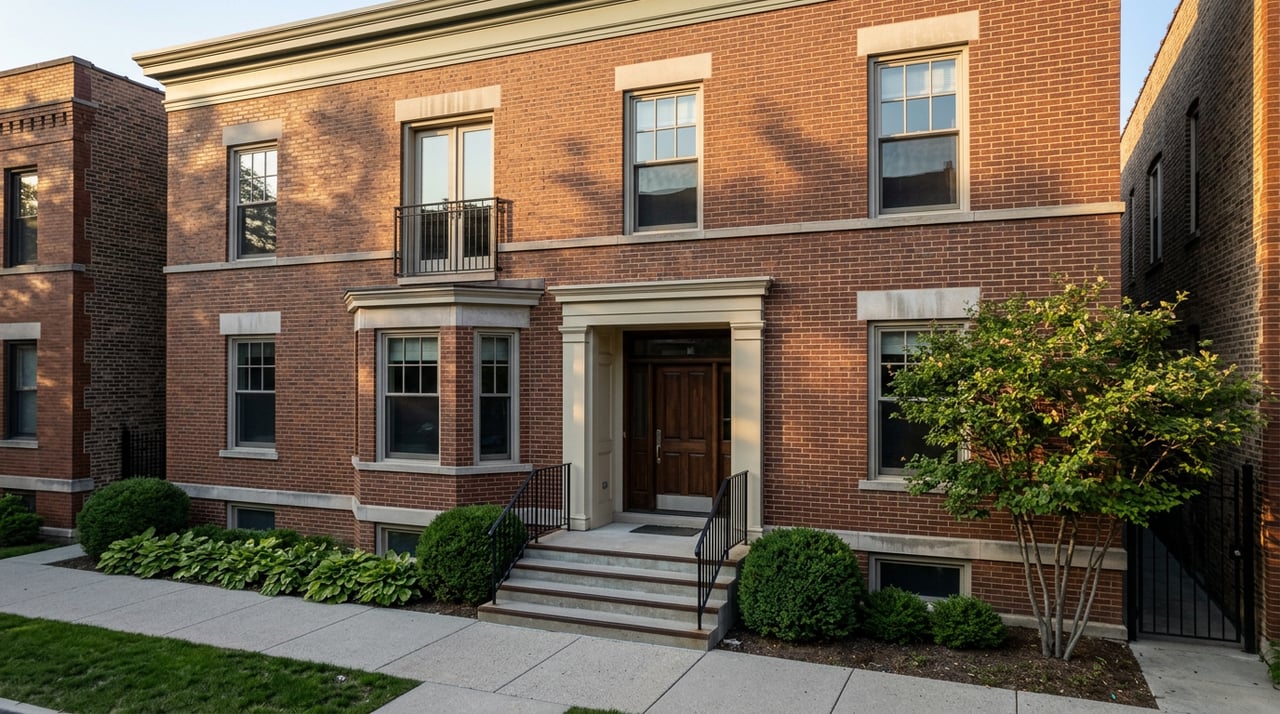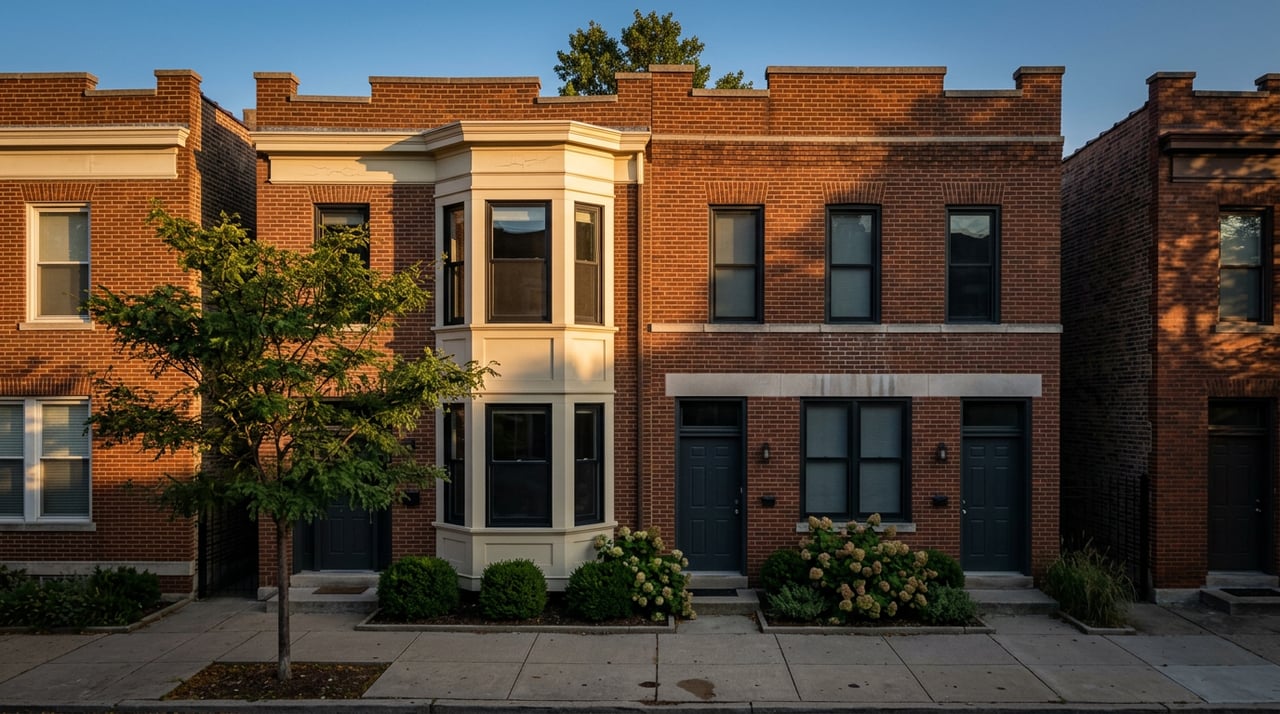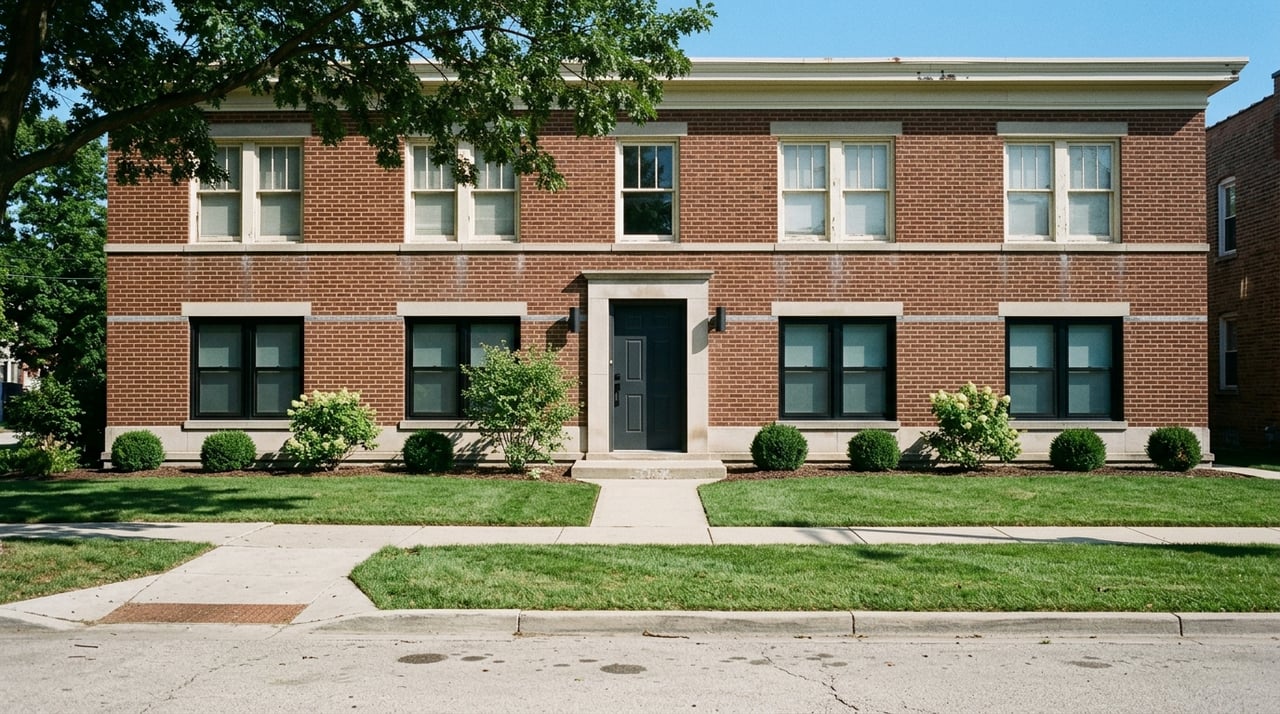
If you are looking for value-add multi-family deals in Chicago’s south suburbs, the biggest mistake is treating the area like one market. It is not. These communities vary block by block and town by town, which is exactly why investors who do their homework can still find real opportunity.
For buyers focused on cash flow, rehab potential, or long-term appreciation, the south suburbs offer a mix of older housing, fragmented deal flow, and municipalities where public reinvestment is already underway. In this guide, you’ll learn where value-add usually comes from, how to spot stronger opportunities, and which underwriting issues can make or break your numbers. Let’s dive in.
Why the South Suburbs Still Matter
South suburban Cook County stands out because it has a large supply of older housing and many smaller rental properties, especially 2-to-4 unit buildings. Cook County’s 2025-2029 Consolidated Plan notes that the area generally has lower home values and rents than northern and southwestern suburban areas, along with more aging housing stock and signs of underinvestment.
That combination is often what creates value-add potential. You are not always looking for a full gut rehab. In many cases, the better play is finding a building that is basically functional but underperforming because of dated interiors, poor upkeep, weak leasing, or expenses that have not been managed well.
There is also a wider economic story behind the area. Cook County points to freight, logistics, rail, airport, and port infrastructure as regional strengths, which matters because multi-family properties often perform better when they sit near transportation and employment access.
What Creates Value-Add in Multi-Family
In the south suburbs, value-add often comes from improving operations as much as improving finishes. A property may already be occupied and structurally usable, but still have room for better rents, lower vacancy, and more efficient management.
Common value-add signs include:
- Below-market in-place rents
- Dated but serviceable units
- Neglected common areas
- Deferred maintenance
- Weak tenant retention
- Utility inefficiencies
- Inconsistent leasing practices
This matters because not every profitable deal starts with dramatic before-and-after construction. Sometimes the upside comes from cleaning up operations, tightening expenses, and making targeted updates that align the property with local renter demand.
Why Older Buildings Deserve Extra Attention
Many south suburban communities have a significant share of housing built before 1980, including places like Blue Island, Harvey, and Chicago Heights, according to Cook County. Older buildings can create attractive buying opportunities, but they also require more careful due diligence.
You should expect repair scopes to include age-related issues. Cook County notes that older housing is more likely to have housing condition problems tied to age and underinvestment. That can include outdated systems, deferred repairs, and unit conditions that affect long-term performance.
Lead safety also needs to be addressed early. Because older housing is common in the south suburbs, rehab plans for pre-1978 properties should account for lead disclosure requirements and lead-safe renovation practices.
Where to Look for Deals
One reason investors like this market is that deal flow is fragmented. That can make it harder for casual buyers, but it can create an edge for investors who work with an agent who understands local inventory, off-market opportunities, and municipal trends.
A practical sourcing strategy usually starts with public and local channels rather than relying only on the major listing platforms. The South Suburban Land Bank and Development Authority is especially relevant here because it focuses on acquiring distressed properties, clearing back taxes and liens, and returning properties to productive use across many south suburban municipalities.
You should also pay attention to areas where reinvestment is already getting public support. Cook County’s Transforming Places initiative highlights Blue Island and Robbins, Ford Heights and Chicago Heights, Harvey, Park Forest and Richton Park, and Summit. That does not guarantee a deal will work, but it can point you toward places where improvement activity is already part of the story.
How Transit and Employment Access Affect Value
Location still matters, even in a value-add strategy. In disinvested areas, CMAP notes that some south suburban residents face longer travel times or slower transportation options to reach jobs and services.
That means buildings near transit routes, commercial corridors, and employment centers may have stronger long-term appeal. They can be easier to lease, easier to reposition, and potentially easier to sell later because the buyer pool is broader.
When you evaluate a deal, ask yourself a simple question: if this building is cleaned up and well-run, does its location support stable demand? That question can help you avoid deals that look cheap on paper but struggle on execution.
Follow the Demand, Not Just the Discount
A low purchase price alone does not make a great investment. You need a finished product that fits what renters in the area actually need and can afford.
Cook County reports that 64% of Suburban Cook households earning under $75,000 are housing cost burdened, compared with 9% of households earning over $75,000. The county also notes that existing affordable housing is concentrated in South Suburban Cook County.
For investors, that points to a clear takeaway. Clean, functional, well-managed rentals can have a durable renter base in this market. In many south suburban submarkets, the strongest value-add plan is not creating a luxury product. It is creating a better-run, more reliable housing option that fits the local demand profile.
Underwrite Taxes Very Carefully
Property taxes can quickly reshape your returns in Cook County, and this is one area where investors need to be conservative. Cook County’s property tax study found that homestead exemptions can disproportionately raise tax rates in parts of the south and west suburbs.
The report specifically noted that in Park Forest, the tax-rate increase attributable to exemptions was ten times the county median. For a small multi-family buyer, that means a deal can look healthy at acquisition and become much tighter after reassessment if taxes were underwritten too optimistically.
When you analyze a property, do not stop at the current tax bill. Build in room for future changes and stress-test your numbers so your exit is not dependent on an unrealistically low tax assumption.
Factor in Compliance Costs Early
In the south suburbs, compliance is not a side note. It is part of the investment plan from day one.
For landlords with 25 or more residential units, Illinois’s Security Deposit Interest Act requires interest to be paid on security deposits held for six months or more. On older housing, lead disclosures and lead-safe renovation practices should also be part of your scope if the property falls under the applicable age thresholds.
These items may not sound exciting, but they affect real costs, timelines, and risk. If you ignore them during underwriting, your renovation budget and operating plan can get off track fast.
Look at Incentives That Can Improve the Deal
Some investors focus so much on purchase price and rent upside that they overlook local programs that can improve the basis of a deal. In Cook County, there are two worth knowing about for qualifying properties.
The Affordable Housing Special Assessment Program reduces the assessed value of multifamily properties that contain a significant share of affordable units. According to the Cook County Assessor, more than 700 multifamily properties saved nearly $13 million in property taxes in the program’s first two years.
Cook County’s C-PACE program is another tool to review for eligible deals. The county says it can provide up to 100% upfront financing for qualifying energy efficiency, water conservation, and resiliency improvements, with terms up to 30 years, and eligible properties include multifamily buildings with five or more units.
For the right building, that can help turn major capital work into longer-term savings instead of a single large upfront cash hit. It is not a fit for every investor or every property, but it can materially change how a project pencils out.
Build Your Exit Before You Buy
The best value-add investors think about resale before they ever close. That is especially important in the south suburbs, where submarket differences can have a big impact on liquidity.
Your exit story is usually stronger when the final product is a clean, well-run building in a location with transportation access, job access, and visible neighborhood momentum. That does not mean every successful deal has to be in the hottest corridor. It means your improvements should match the demand base and the likely future buyer.
Before moving forward, ask:
- Will the renovated property match local renter budgets?
- Does the location support steady tenant demand?
- Are taxes modeled realistically?
- Have lead-safe and other compliance costs been included?
- Is there a path to operational improvement beyond cosmetic upgrades?
- Could local incentives improve the long-term return?
If you cannot answer those questions clearly, the property may be a project, but not necessarily a smart investment.
Why Local Deal Guidance Matters
Because the south suburbs are so fragmented, local context matters more than broad headlines. Two buildings with similar unit counts can perform very differently depending on municipal conditions, tax assumptions, transportation access, and the level of reinvestment nearby.
That is why many investors benefit from working with an agent who can help them compare submarkets, identify value-add potential, and look beyond the list price. A strong buy often comes from the details: where the building sits, what kind of work is truly needed, and whether the numbers still hold after realistic taxes and renovation costs.
If you are exploring multi-family or rehab opportunities in the south suburbs, Brittney Wilkinson can help you identify investment properties, evaluate value-add potential, and access opportunities that fit your strategy.
FAQs
What makes a south suburban multi-family deal value-add?
- A value-add deal usually has a functional building with upside through below-market rents, dated interiors, deferred maintenance, vacancy reduction, or better day-to-day operations.
Why are older multi-family properties common in the south suburbs?
- Cook County reports that several south suburban communities have significant pre-1980 housing stock, which creates both buying opportunities and added due diligence around condition, repair needs, and lead-safe work.
Where can you find south suburban multi-family investment opportunities?
- Investors often look at MLS inventory, off-market opportunities, land bank properties, public notices, and municipalities where redevelopment and reinvestment efforts are already active.
Why do property taxes matter so much in south suburban Cook County?
- Tax rates can shift meaningfully, and aggressive assumptions can make a deal look stronger than it really is, especially after reassessment.
What local incentives can help a multi-family value-add project?
- For qualifying properties, Cook County programs such as the Affordable Housing Special Assessment Program and C-PACE may help reduce tax burden or finance eligible building improvements.
How do you know if a south suburban multi-family deal has a strong exit?
- A stronger exit usually comes from a finished property that matches local renter demand, is well-run, and sits in a location with access to transit, jobs, and visible reinvestment momentum.