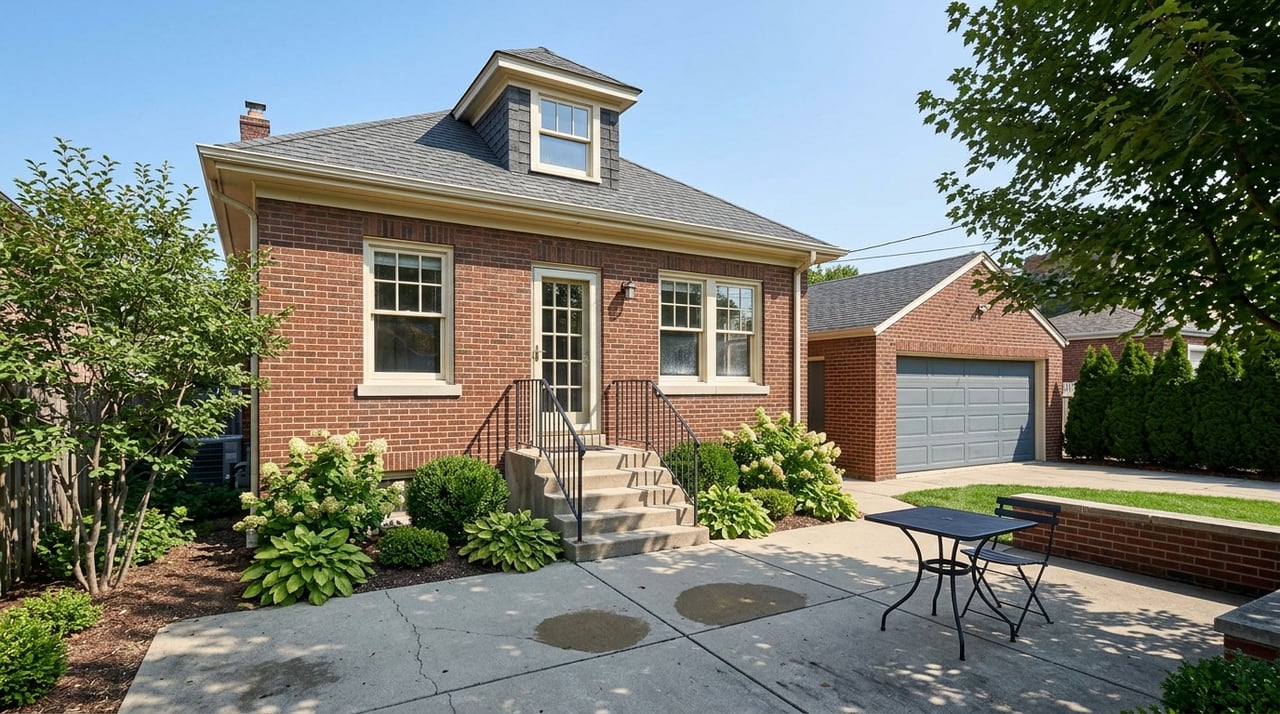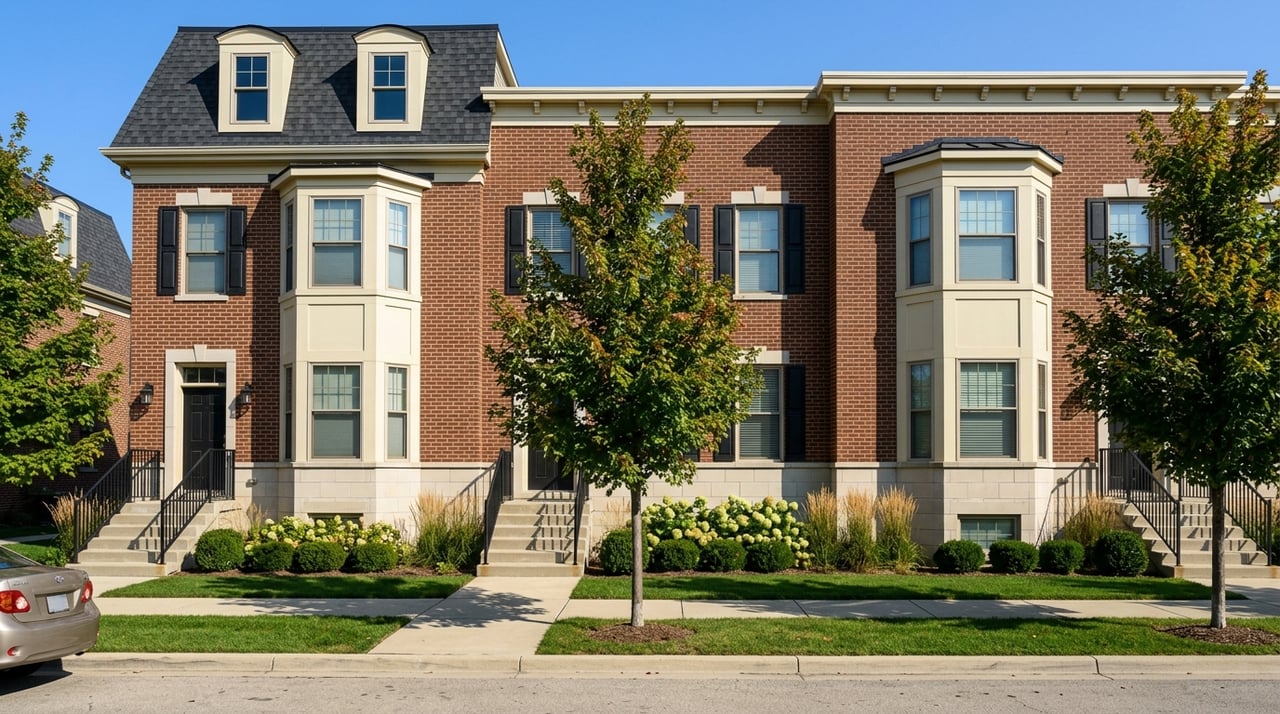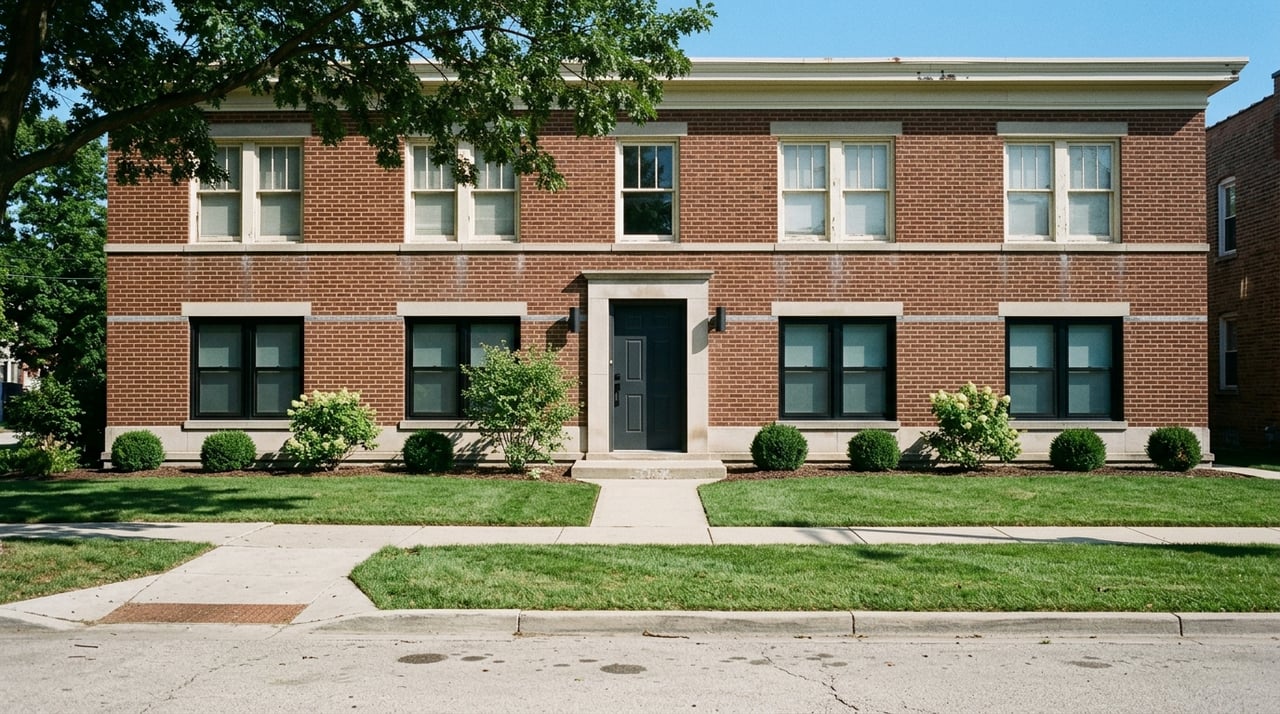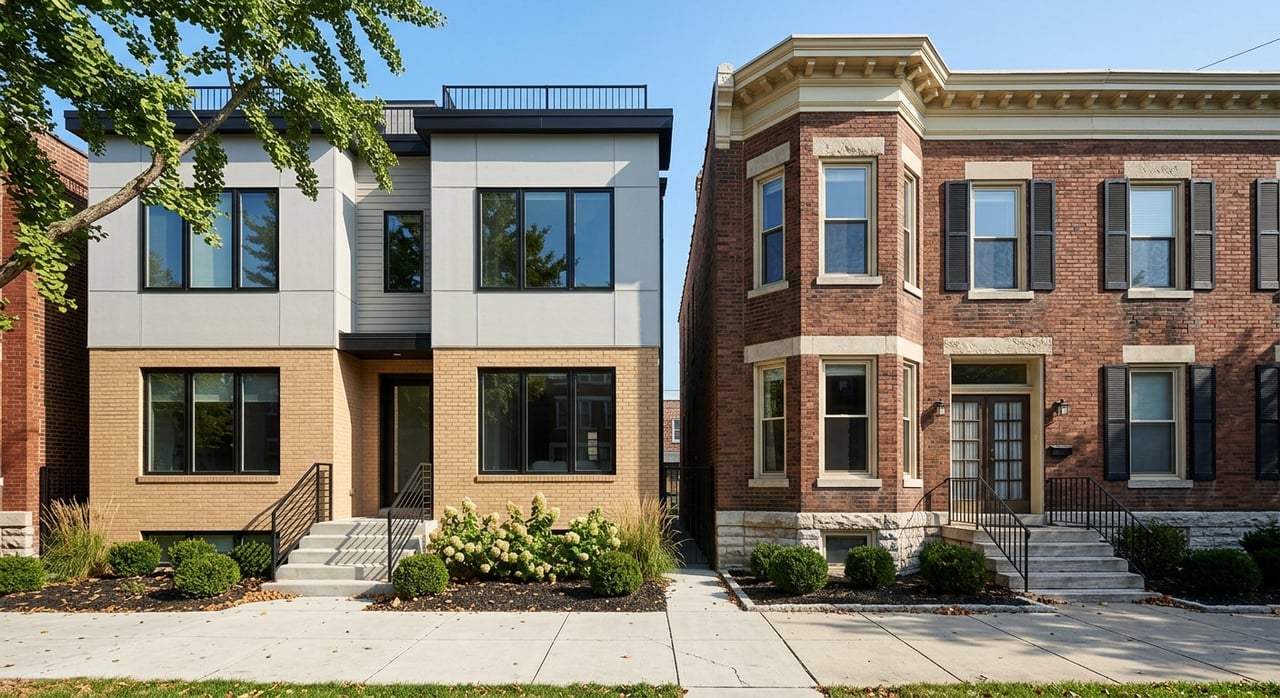
Choosing between new construction and a vintage home in Woodlawn is not just about style. It is also about maintenance, energy costs, renovation plans, and how much uncertainty you are comfortable taking on. If you are weighing both options, you need more than a simple pros-and-cons list. You need context that fits Woodlawn’s actual housing stock and what that means for your search. Let’s dive in.
Woodlawn Housing Mix Matters
If you are shopping in Woodlawn, you are much more likely to see older housing than brand-new construction. According to the Woodlawn housing profile from CMAP, 39.4% of homes were built before 1940, and another 23.9% were built between 1940 and 1969. Only 5.4% of the area’s housing units were built in 2010 or later.
That matters because your real choice in Woodlawn is often not between two equal pools of homes. In practice, older low-rise buildings make up the core of the inventory, while newer homes are a much smaller slice of the market, based on CMAP’s Woodlawn data. If you go into your search expecting mostly new builds, your options may feel narrower than expected.
Woodlawn also has a mix of property types that may shape your decision. CMAP reports that 15.2% of the housing stock is single-family, 28.5% is in two- to four-unit buildings, and 37.1% is in structures with 5 to 49 units. That makes Woodlawn especially relevant for buyers considering condos, multi-unit properties, or homes with value-add potential.
Why Buyers Choose New Construction
New construction often appeals to buyers who want predictability. If your goal is to move in with fewer immediate projects, a newer home may feel more straightforward.
Better energy performance
One of the biggest advantages of newer homes is efficiency. ENERGY STAR says certified new homes must meet strict energy-efficiency standards and can deliver up to 30% energy savings versus typical new homes, while also improving comfort, durability, and lowering utility and maintenance costs.
That can make a real difference in day-to-day living. The U.S. Department of Energy also notes that reducing air leakage is central to energy-efficient design, and adding insulation during construction is more cost-effective than retrofitting after a home is finished. In simple terms, many of the energy features buyers want are easier to build in from the start than to add later.
More current layouts
Newer homes also tend to reflect current design preferences. Floor plans, storage, and finishes are typically shaped by modern building standards and buyer expectations, which can make everyday living feel easier if you want less compromise on layout.
This point is not a Woodlawn-specific statistic, but it is a practical part of how new construction differs from older housing. If you want a home that feels turnkey from day one, that can be a major draw.
Lower near-term maintenance, with a caveat
Many buyers assume a new home means fewer problems in the first few years, and that is often part of the appeal. Still, newer does not mean flawless.
The Consumer Financial Protection Bureau notes that a home inspection is often part of the buying process and is especially helpful for checking structural and mechanical systems like HVAC and electrical. Even with a brand-new home, an independent inspection is still a smart step.
Why Buyers Choose Vintage Homes
In Woodlawn, vintage homes are not the exception. They are a major part of the market. If you are drawn to older properties, you will likely have more choices to consider.
More character and renovation upside
Because so much of Woodlawn’s inventory dates back decades, many buyers touring the neighborhood will naturally encounter homes with older layouts, materials, and architectural details. That is part of the appeal for buyers who want character or see potential in making updates over time.
With homes built before 1940 representing 39.4% of the inventory and another 23.9% built from 1940 to 1969, older housing is central to the neighborhood’s identity, according to CMAP’s Woodlawn profile. For some buyers, that opens the door to a more personalized renovation path rather than paying upfront for brand-new finishes.
More room for improvement planning
Older homes can also give you a clearer list of upgrades to prioritize. If you are comfortable budgeting for improvements over time, a vintage home may offer flexibility that fits your goals.
The Department of Energy says many older homes have less insulation than homes built today, and homeowners can often reduce energy bills by adding insulation. Fannie Mae also notes that regular maintenance matters because fixing damage caused by deferred upkeep is often more expensive than staying ahead of repairs.
More due diligence required
The tradeoff is that older homes often require more questions, more paperwork review, and more inspection attention. That does not mean you should avoid them. It means you should evaluate them carefully.
This is especially important if you are buying a property with plans to rehab, update, or improve it over time. For buyers and investors alike, a good opportunity usually starts with a realistic understanding of condition and compliance.
Key Issues in Vintage Woodlawn Homes
If you are leaning toward an older property, there are a few practical issues you should understand before making an offer.
Lead-safe renovation rules
For homes built before 1978, lead-safe renovation is one of the biggest issues to keep on your radar. The EPA explains that homes built before 1978 are more likely to contain lead-based paint, and renovation or repair work that disturbs that paint can create dangerous lead dust.
The EPA also requires lead-safe certified contractors for certain renovation work in pre-1978 homes. If you are planning updates after closing, this is not a minor detail. It can affect your contractor choices, project scope, and budget.
Landmark and permit review
Some vintage properties may also involve preservation-related considerations. If a home is a designated Chicago landmark or located in a landmark district, the city may review permit applications for work affecting significant historic features, according to the City of Chicago landmarks owner guide.
Chicago also notes that routine maintenance like painting and minor repairs does not require a building permit, and landmark status may come with incentives such as rehab-related tax benefits and permit fee waivers. If you are considering a property with historic significance, it is worth checking how that could affect future remodeling plans.
New Construction vs Vintage at a Glance
If you are trying to narrow your search, this side-by-side view can help:
| Factor | New Construction | Vintage Home |
|---|---|---|
| Availability in Woodlawn | Limited share of inventory | Much more common |
| Energy efficiency | Often stronger from the start | May need insulation and air sealing upgrades |
| Layout | More likely to reflect current preferences | May have older room flow or smaller storage |
| Maintenance | Often lower near-term | Can require more ongoing upkeep |
| Renovation potential | Usually less immediate need | Often attractive for updates or value-add plans |
| Inspection needs | Still important | Especially important |
| Lead-safe renovation concerns | Less likely to apply | Important for many pre-1978 homes |
| Historic review considerations | Less likely | May apply in some cases |
A Smart Tour Checklist for Woodlawn Buyers
Whether you prefer new construction or vintage housing, asking the right questions early can save you time and money.
What to confirm on every tour
- Confirm the year built and any major renovation dates, especially if the home was built before 1978, based on EPA guidance on lead-based paint
- Ask for permit history on significant work, especially if exterior changes may have required city review under Chicago landmark rules
- For older homes, ask whether insulation, air sealing, windows, or HVAC have already been upgraded, since the DOE notes older homes often have less insulation
- Schedule an independent inspection early enough to negotiate repairs or walk away if needed, since the CFPB advises buyers not to skip this step
- If the property is a condo or townhome, confirm whether HOA dues cover shared maintenance, roofs, driveways, or other common elements, as noted in the CFPB mortgage terms glossary
Which Option Fits You Best?
If you want stronger energy performance, a more current layout, and fewer near-term projects, new construction may be the better fit. That choice can feel especially appealing if you want a more predictable move-in experience.
If you value older-building character, want more inventory to choose from, or see opportunity in updates over time, a vintage home may make more sense. In Woodlawn, that path often gives you access to the neighborhood’s most common housing types, but it also asks for more careful due diligence.
The right answer depends on your budget, timeline, and tolerance for future projects. In a neighborhood like Woodlawn, understanding the difference between charm and hidden cost is what helps you buy with confidence.
If you want help comparing Woodlawn homes, reviewing rehab potential, or finding the right fit for your goals, connect with Brittney Wilkinson. You will get practical guidance, local insight, and a hands-on approach tailored to how you want to buy.
FAQs
Is new construction common in Woodlawn, Chicago?
- No. Based on CMAP data, only 5.4% of Woodlawn housing units were built in 2010 or later, so newer homes make up a relatively small share of the local inventory.
Are most homes in Woodlawn, Chicago older homes?
- Yes. CMAP reports that 39.4% of Woodlawn homes were built before 1940, and another 23.9% were built between 1940 and 1969.
What should buyers check in a vintage home in Woodlawn?
- You should confirm the year built, review major renovation dates, ask about permits, check whether insulation or HVAC updates were completed, and schedule an independent inspection.
Do pre-1978 homes in Woodlawn have lead-safe renovation concerns?
- Yes. The EPA says homes built before 1978 are more likely to contain lead-based paint, and renovation work that disturbs it can create hazardous lead dust.
Should buyers get an inspection on new construction in Woodlawn?
- Yes. The CFPB says a home inspection is often part of the buying process and helps evaluate structural and mechanical systems, even in newer homes.